
What Homeowners, Buyers and Sellers Need to Know About Data Centers is becoming an important real estate conversation across Southeastern Pennsylvania. Driven by artificial intelligence, cloud computing and growing demand for digital services, data-center developers are looking for locations with available land, enormous electrical capacity and access to fiber networks.
That is bringing increased attention to parts of Lancaster, York, Dauphin, Lebanon, Berks and Chester counties.
What Is a Data Center?
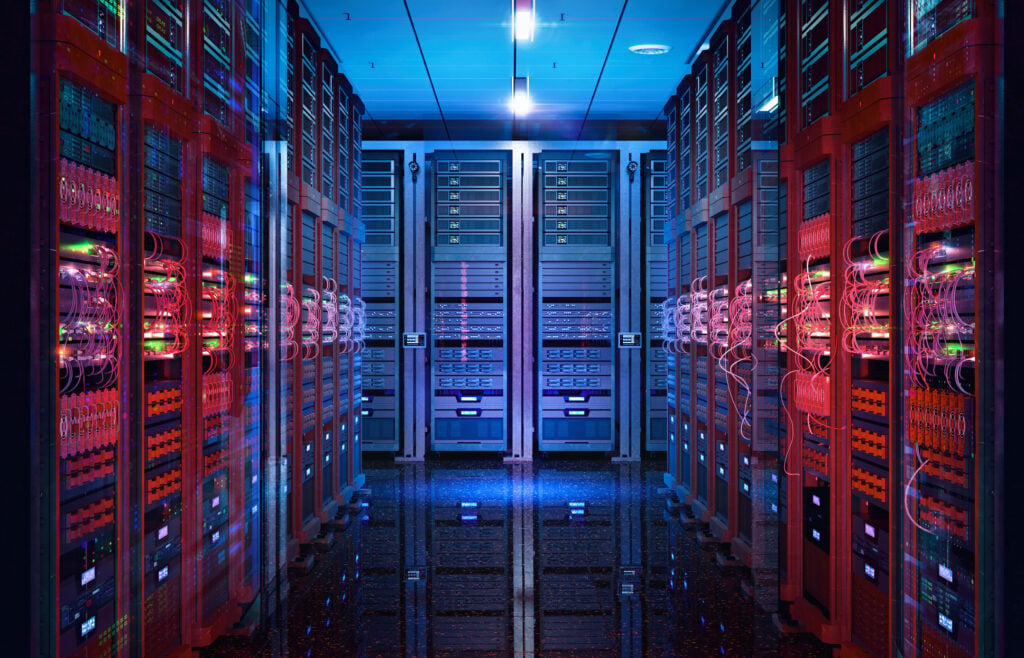
A data center is a facility filled with computer servers that store and process digital information. Streaming, cloud storage, online services and artificial intelligence all depend on this infrastructure.
Unlike a typical warehouse, data centers can require tremendous amounts of electricity, cooling equipment, backup generators, fiber connections and supporting utility infrastructure.
And that’s where real estate enters the conversation.
Why Southeastern Pennsylvania?
Southeastern Pennsylvania offers several things data-center developers want: available land, access to the regional electrical grid, established industrial areas, fiber infrastructure and proximity to major East Coast markets.
The region is also strategically positioned near Philadelphia, Baltimore, Washington and New York.
That doesn’t mean every proposed project will be built. Zoning, electrical capacity, environmental concerns, community response and development costs can all determine whether a project moves forward.
What Could This Mean for Homeowners?
The biggest factor may be proximity.
A data center several miles away may have little effect on a residential property. A large facility directly behind a neighborhood or rural home could be a different story.
Homeowners should watch for potential changes involving:
- Noise from cooling equipment and backup generators
- New substations and transmission lines
- Lighting and views
- Water usage and stormwater management
- Construction traffic
- Changes in surrounding land use
There can also be benefits. Large commercial projects may generate tax revenue, infrastructure investment and economic activity.
Could Data Centers Affect Home Values?
Possibly—but there is no simple answer.
Commercial and industrial land near desirable data-center locations could become more valuable. Residential properties require a more individualized analysis.
A buyer’s reaction to noise, visibility, transmission lines, substations or changes to the surrounding landscape can affect demand for nearby homes.
On the other hand, economic investment and an expanding commercial tax base can benefit a community.
The effect on property values will ultimately depend on the location, size and design of the project—and how close your home is to it.
Buyers: Look Beyond the Property
Buying a home means evaluating more than bedrooms, bathrooms and square footage.
Look at what surrounds the property and ask what could be there five or ten years from now.
If you’re considering a home near a large undeveloped parcel, investigate its zoning and potential uses. Pay attention to municipal planning meetings, proposed zoning changes and major utility projects.
That beautiful view across hundreds of acres today isn’t necessarily guaranteed forever.
Sellers: Know What’s Happening Around You
If a major data center or infrastructure project is proposed near your property, don’t automatically assume your home has gained or lost value.
Watch the market.
Buyer reactions eventually show up through showing activity, days on market, offers and comparable sales.
A knowledgeable real estate professional can help separate speculation from what buyers are actually doing.
Pay Attention to the Power Infrastructure
One of the biggest real estate issues may not be the data center itself.
It may be how the electricity gets there.
Large data centers can require substantial electrical infrastructure, potentially including new substations, transmission facilities and utility corridors.
A data center several miles away might have little effect on your home, while a new transmission corridor or substation nearby could be much more relevant.
Will Data Centers Lower Property Taxes?
Not necessarily.
Large commercial developments can generate substantial tax revenue without creating the same demand for schools and services as large residential developments.
But tax incentives, assessments, infrastructure agreements and municipal decisions all affect how much revenue ultimately reaches local governments and school districts.
Consumers should be cautious about assuming that a new data center will automatically reduce their property taxes—or automatically increase their utility bills.
A Changing Southeastern Pennsylvania Landscape
Southeastern Pennsylvania has seen major land-use changes before. Farmland has become neighborhoods. Highway interchanges have attracted warehouses. Former industrial properties have been redeveloped for entirely new uses.
Data centers may be the next major development trend.
Homeowners don’t need to automatically support or oppose them. They need to understand what is being proposed and how it could affect their property.
Ask questions. Where will it be built? How large will it be? What is the zoning? How will it be screened? Where will the electrical infrastructure go?
Those answers matter.
Top Shelf Helps You Look at the Complete Picture
At Top Shelf Real Estate Sales, we believe good real estate advice goes beyond the house itself. Zoning, development, infrastructure and changing land-use patterns can all influence a property’s desirability and future value.
Whether you’re buying, selling or simply wondering how development could affect your home in Lancaster, York, Dauphin, Lebanon, Berks, Chester or elsewhere in Southeastern Pennsylvania, we can help you evaluate the bigger picture.
Ultimately, What Homeowners, Buyers and Sellers Need to Know About Data Centers is simple: pay attention to what’s happening beyond your property lines. Understanding future development can help you make better real estate decisions. Call Top Shelf Real Estate Sales at 717-537-5377 when you’re ready to buy, sell or better understand what your property may be worth.
Information is provided for general educational purposes. Development proposals, zoning and infrastructure plans can change. Always verify current information with the applicable municipality and utility providers.